DevOps is a set of practices that helps teams deliver software faster, with better quality, and fewer issues between development and operations…
DevOps Insider: DataOps & MLOps: Elevating DevOps for the Data & AI Era
DevOps is a set of practices that helps teams deliver software faster, with better quality, and fewer issues between development and operations…
Grafana Mimir 3.0 launched in early November 2025 — and it’s far more than a version bump. It’s a complete architectural overhaul designed to fix long-standing pain points for SRE and DevOps teams…
When managing multiple Hotfixes in a shared library, one of the most common challenges is constantly switching back and forth between tasks. And if you have unfinished changes, you usually need to git stash them away before switching to another urgent branch which takes time and often breaks your flow…
Developers love GitHub Copilot — it’s like having a smart coding buddy who suggests, fixes, and explains your code so you can focus on building great software…
ChatOps is a concept that allows teams to interact directly with DevOps tools through a chat platform — without needing to switch to CI/CD dashboards, terminals, or other tools.
These days, Data and Dev teams face increasingly complex workloads. But what if there were a smart assistant that could manage every step, queue each task in order, and keep everything running smoothly?…
More than a decade ago, most enterprise applications were still built as monoliths all functions bundled into a single block of code, running on physical servers in the company’s data center. Every update or feature release often required long development cycles, carried high risks of downtime, and became increasingly difficult to scale as organizations grew.
In an era where global warming has become a major global issue, GreenOps, or Sustainable DevOps, is becoming a key focus in the IT industry. This isn’t just about reducing a company’s carbon footprint; it’s also about aligning operations with ESG (Environmental, Social, Governance) principles.
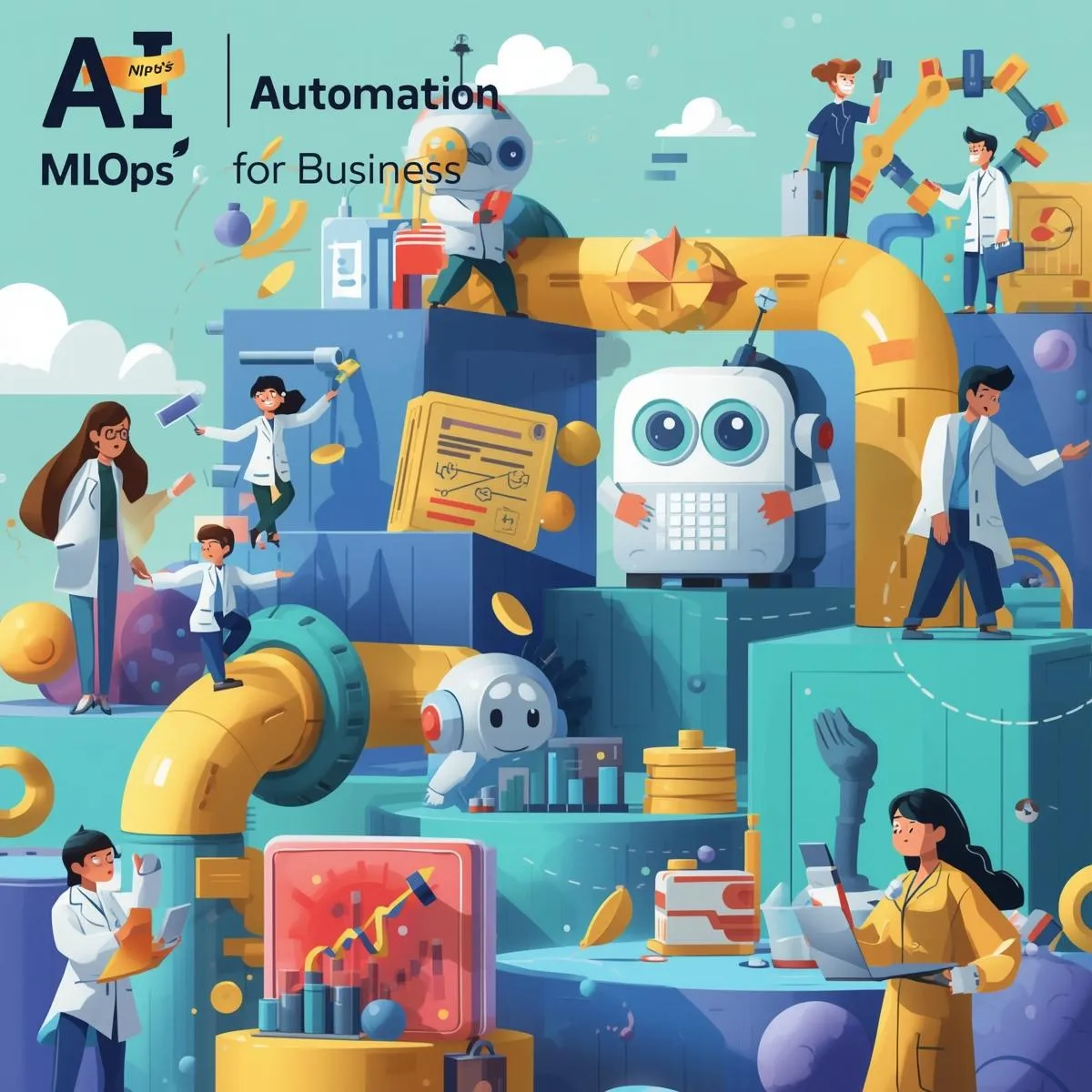
When we talk about DevOps, many people are familiar with the concept of automating various tasks, such as development, building, testing, and deploying, to help developers work faster and deliver software to users efficiently.
But what if we apply the same concept to AI or Data Science work? This is what we call MLOps (Machine Learning Operations), which is essentially DevOps in the world of Data and AI.
Jenkins has long been the superstar of automation. But when it carries all the weight on its own, things can get a little overwhelming. Wouldn’t it be great if Jenkins had a reliable partner to share the workload? That’s where GitHub Actions steps in. Today, we invited Khun Putter, Platform Services Engineer to share how GitHub Actions can complement Jenkins and make DevOps smarter, faster, and lighter. Jenkins is one of the most popular tools for automation. However, relying on it to handle everything can create unnecessary strain. GitHub Actions offers a great way to offload some of these tasks, especially those directly tied to GitHub: Pull Request Automation Run lint and basic unit tests Check code style and perform security scans Auto-label and assign reviewers Release Automation Generate release notes automatically Bump versions and create tags Publish packages to npm, PyPI, or Docker Hub Repository Management Delete merged branches Auto-sync forks Schedule jobs (e.g., cleanup, dependency updates) Example of How GitHub Actions Can Be Used By letting GitHub Actions handle tasks like linting, unit testing, code scanning, and security scanning, Jenkins no longer has to shoulder everything. This not only eases Jenkins’ workload but also gives development teams faster feedback. Advantages Faster feedback for developers Reduced development time Lower cost, GitHub Actions requires no extra servers or maintenance fees Limitations Less suitable for highly complex workloads Limited flexibility for managing secrets and security GitHub Actions reduces the workload of Jenkins by handling simpler tasks, like code testing and release creation, allowing Jenkins to focus on more complex tasks. It also helps teams receive feedback faster and reduces system maintenance costs. Using both tools together in a Hybrid Approach will maximize efficiency.Looking for a DevOps solution that automates your workflow and reduces business costs? SCB TechX helps you modernize your delivery pipeline and bring high-quality products to market faster, building a foundation for long-term growth. For service inquiries, please contact us at https://bit.ly/4etA8YmLearn more: https://bit.ly/3H7W9zm